


Burnout Causes: Why Chronic Stress Leads to Exhaustion

Burnout causes are rarely limited to one single factor. Burnout usually develops when prolonged stress, high demands, limited recovery, and reduced control continue for too long. Workload often plays an important role, but burnout can also be influenced by perfectionism, poor boundaries, trauma history, lack of support, family pressure, organizational unfairness, and long-term emotional strain.
Understanding what causes burnout matters because early recognition can reduce the risk of more severe burnout symptoms, long-term sick leave, relationship strain, and reduced work performance. Burnout often develops when the balance between demands and recovery is disrupted for too long.
Quick facts about burnout causes
- Burnout usually develops through a combination of work-related, psychological and environmental factors
- High workload, long working hours, low control, and poor organizational fairness are common risk factors
- Perfectionism, people-pleasing, and difficulty setting boundaries can increase vulnerability
- Trauma, chronic anxiety, ADHD-like symptoms, and family stress may contribute to long-term overload
- Recovery often requires both stress reduction and changes in the patterns that created overload
The ICD-11 describes burnout as an occupational phenomenon resulting from chronic workplace stress that has not been successfully managed. It is commonly associated with exhaustion, mental distance or cynicism, and reduced professional effectiveness.
This page explains the most common causes of burnout, including work pressure, long hours, low control, organizational unfairness, work-family conflict, trauma-related stress, ADHD-like symptoms, and genetic vulnerability.
Not sure whether you are burned out?
If you feel exhausted, emotionally detached, or unable to recover properly, you can take our burnout test or schedule a free consultation.
Go to
Burnout causes, what are they?
Burnout develops when stress remains chronically active while recovery remains insufficient. This can happen in demanding work environments, but also in caregiving roles, academic pressure, entrepreneurship, leadership positions, emotionally demanding relationships, and situations where someone feels unable to stop performing.
Common burnout causes include excessive workload, long working hours, lack of control, unclear expectations, low reward, poor leadership, conflict between work and family life, perfectionism, people-pleasing, chronic anxiety, trauma history, and insufficient emotional or physical recovery.
In many cases, burnout is not caused by one dramatic event. It develops gradually when the nervous system remains under pressure for too long and the person continues functioning despite increasing exhaustion.
Genetic vulnerability and burnout
Genetic factors may influence vulnerability to burnout symptoms. Some studies suggest that a proportion of burnout-related symptoms can be partly explained by genetic factors, while environmental factors account for a larger share [8],[9],[10],[11].
This does not mean that burnout is genetically determined. A person with a family history of burnout, anxiety, or stress sensitivity is not destined to develop burnout. However, some individuals may be more sensitive to prolonged pressure, emotional strain, sleep disruption, or high-demand environments.
In practice, this means that prevention often depends on recognizing personal vulnerability early. People who are more stress-sensitive may need stronger boundaries, more deliberate recovery, and earlier support when signs of exhaustion begin to appear.
In other words: genetics may influence stress sensitivity, but environment, workload, recovery, boundaries, and support usually play a much larger role in whether burnout develops.
Work-related burnout causes
Many burnout causes are work-related. Burnout is more likely to develop when high demands continue for a long time without enough autonomy, support, fairness, recovery, or emotional reward. This pattern is especially common among high-performing individuals who keep functioning under pressure long after their limits have been exceeded.
High workload
A consistently high workload is one of the most studied burnout risk factors. Heavy workload is strongly associated with emotional exhaustion, and emotional exhaustion may later contribute to cynicism, detachment, reduced empathy, and lower professional effectiveness [12],[13],[14],[20].
In real life, this may look like constantly working under time pressure, never feeling caught up, skipping breaks, answering messages outside working hours, or needing weekends only to recover enough to start again.
Long working hours
Long working hours are associated with fatigue, emotional exhaustion, and higher burnout risk [14],[15],[16],[18]. For some people, the problem is not only the number of hours worked, but the lack of mental detachment afterward.
Someone may technically stop working in the evening but continue thinking about deadlines, problems, clients, patients, employees, or unfinished responsibilities. This prevents proper psychological recovery.
Low job control
Job control refers to the degree to which a person can influence how, when, and under what conditions they work. Low job control is associated with more emotional exhaustion, more depersonalization, and lower personal accomplishment [19],[20],[21].
In daily life, this may show up as feeling trapped by unrealistic expectations, having no say in priorities, being unable to adjust workload, or feeling responsible for outcomes without having enough authority to influence them.
Poor organizational fairness
Organizational fairness involves trust, transparency, respect, managerial support, and the perception that decisions are made fairly. Lower perceived fairness is linked to burnout, emotional exhaustion, and depersonalization [22],[23].
This can be especially damaging when someone works hard but feels unseen, unsupported, unfairly treated, or repeatedly exposed to unclear expectations and inconsistent leadership.
Work-family conflict
Work-family conflict occurs when work demands interfere with family life, relationships, rest, or personal responsibilities. It is associated with burnout, emotional exhaustion, depersonalization, and reduced personal accomplishment [24],[25],[26].
This may look like being physically present at home but emotionally unavailable, feeling guilty toward family members, constantly checking work messages, or having no real recovery time between work and private life.
Psychological causes of burnout
Work conditions matter, but burnout is also influenced by psychological patterns. People who are highly responsible, perfectionistic, self-critical, or afraid of disappointing others may continue pushing far beyond healthy limits.
Common psychological risk factors include:
- Perfectionism: setting unrealistically high standards and feeling unable to tolerate mistakes
- People-pleasing: saying yes too often and ignoring personal limits
- Overidentification with work: basing self-worth mainly on performance or productivity
- Difficulty setting boundaries: feeling guilty when resting, refusing tasks, or asking for help
- Chronic anxiety: staying mentally alert, worried, or tense for long periods
These patterns can make it difficult to slow down even when the body and mind are already showing warning signs. They may also overlap with symptoms seen in anxiety disorders or depression-related difficulties.
For high-performing individuals, this pattern may be especially difficult to recognize because productivity can hide emotional exhaustion for a long time. Read more about why high performers burn out.
Trauma and burnout
Traumatic experiences and PTSD symptoms may increase vulnerability to burnout [27],[28],[29]. Trauma can leave the nervous system more reactive to stress, conflict, responsibility, or emotional pressure. When someone already carries unresolved stress or hypervigilance, demanding environments may become more exhausting.
Some individuals with trauma-related symptoms may appear functional on the outside while internally feeling chronically tense, emotionally overwhelmed, or unable to fully recover. Over time, this can increase vulnerability to emotional exhaustion and detachment.
Burnout may also overlap with difficulties seen in complex PTSD, especially when long-term stress involves emotional pressure, conflict, lack of safety, or repeated boundary violations.
ADHD-like symptoms and burnout risk
ADHD-like symptoms may also contribute to burnout vulnerability in some people [27],[30]. Difficulties with attention regulation, planning, task initiation, impulsivity, time management, and emotional regulation can make demanding environments harder to manage.
In real life, this may look like constantly working under last-minute pressure, struggling to organize competing demands, becoming mentally overloaded by unfinished tasks, or using intense effort to compensate for attention difficulties.
This does not mean that everyone with ADHD-like symptoms will develop burnout. However, when high demands combine with limited recovery, chronic self-pressure, and difficulty organizing workload, the risk of exhaustion may increase.
Can relationships contribute to burnout?
Yes. Although burnout is commonly discussed in relation to work, relational stress can also contribute to chronic overload. Emotionally demanding relationships, caregiving responsibilities, repeated conflict, lack of reciprocity, or living with someone who is highly distressed may gradually deplete emotional resources.
Some people develop burnout-like exhaustion when they are constantly responsible for others while receiving little emotional support themselves. This is especially common among caregivers, parents, partners, healthcare professionals, teachers, managers, and people who repeatedly suppress their own needs.
If burnout is affecting your relationship, you may also find this page helpful: helping your burned-out partner.
In short: why burnout develops
Burnout usually develops when demands remain high, recovery remains low, and the person continues functioning despite increasing emotional, cognitive, and physical exhaustion.
The most common causes include high workload, long working hours, low job control, poor organizational fairness, work-family conflict, perfectionism, people-pleasing, trauma-related stress, chronic anxiety, and insufficient recovery.
Understanding these causes can help with prevention, but recovery usually requires more than insight alone. In many cases, people also need practical changes, emotional support, boundary work, workload reduction, and a healthier relationship with performance and responsibility.
Need help understanding what caused your burnout?
Burnout often has several causes. Professional support can help you understand the pattern and begin recovery in a structured way.
About the author
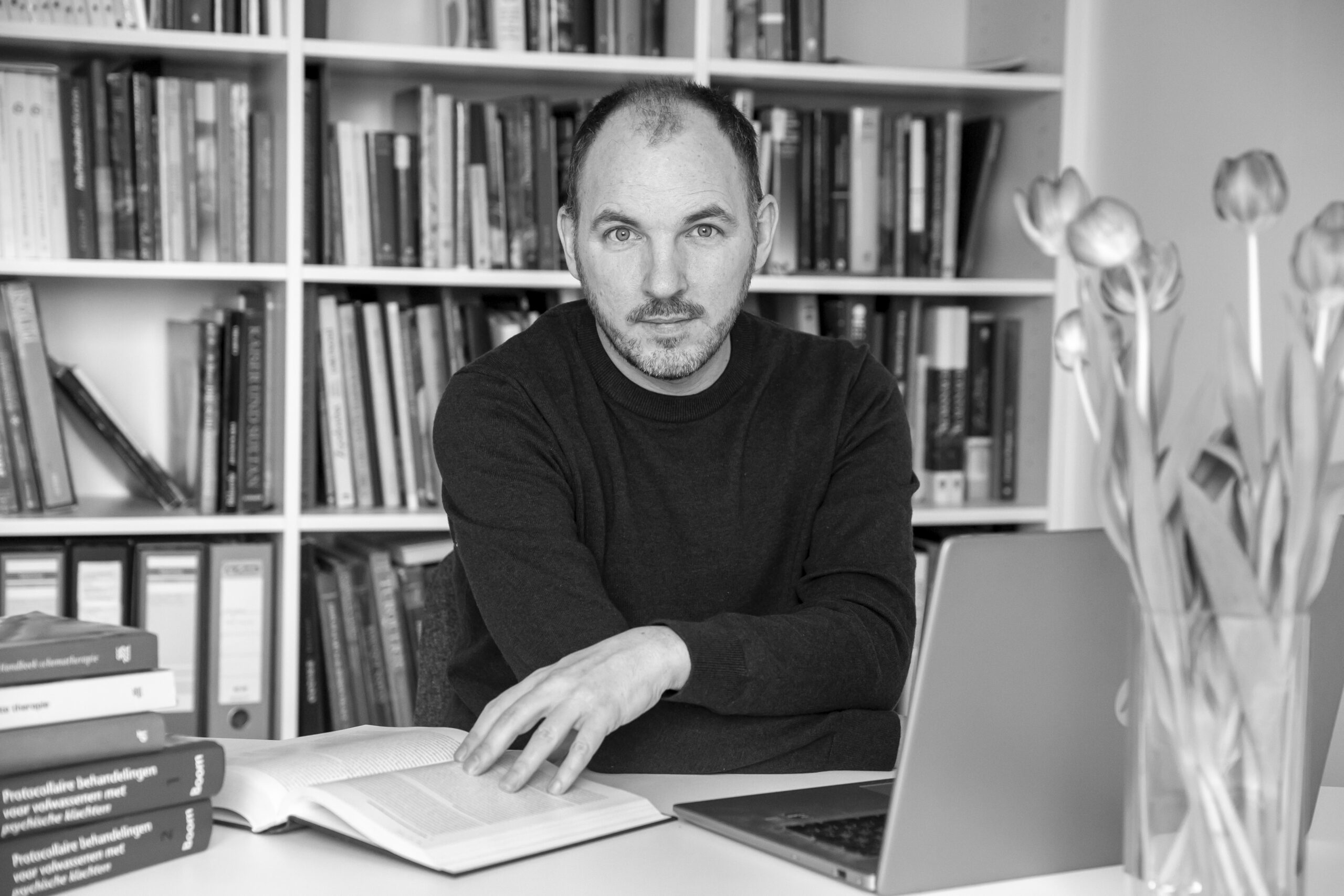
This article was written and reviewed by psychologist Niels Barends, MSc.
Niels Barends, MSc is a psychologist and founder of the 20-80 Method. He has extensive experience working with burnout, chronic stress, emotional exhaustion, perfectionism, and work-related psychological difficulties among international clients and expats.
Frequently asked questions about burnout causes
What is the main cause of burnout?
The main cause of burnout is prolonged stress without enough recovery. This often involves high workload, emotional pressure, lack of control, unclear expectations, or long-term responsibility.
Can burnout be caused by work?
Yes. Work-related factors such as excessive workload, long hours, poor leadership, low job control, lack of fairness, and insufficient support are common causes of burnout.
Can perfectionism cause burnout?
Perfectionism can increase burnout risk because it may lead people to set unrealistic standards, overwork, avoid mistakes at all costs, and feel guilty when resting.
Can trauma contribute to burnout?
Yes. Trauma-related stress may make the nervous system more sensitive to pressure, conflict, and emotional overload. This can increase vulnerability to exhaustion in demanding environments.
Can anxiety cause burnout?
Chronic anxiety can contribute to burnout by keeping the body and mind in a prolonged state of tension, worry, and stress activation. Over time, this may reduce recovery capacity.
Can ADHD increase burnout risk?
ADHD-like symptoms may increase burnout risk when attention difficulties, planning problems, emotional dysregulation, or chronic disorganization create long-term stress and compensatory overwork.
Can family stress cause burnout?
Family stress can contribute to burnout when emotional demands, caregiving responsibilities, conflict, or lack of support continue for a long time without adequate recovery.
How can burnout causes be addressed?
Addressing burnout causes often requires reducing overload, improving boundaries, increasing recovery, changing work patterns, treating anxiety or trauma-related symptoms, and restoring healthier functioning.
Literature
- [1] Embriaco, N., Azoulay, E., Barrau, K., Kentish, N., Pochard, F., Loundou, A., & Papazian, L. (2007). High level of burnout in intensivists: prevalence and associated factors. American Journal of Respiratory and Critical Care Medicine, 175, 686-692.
- [2] Willcock, S., Daly, M., Tennant, C., & Allard, B. (2004). Burnout and psychiatric morbidity in new medical graduates.
- [3] Adriaenssens, J., De Gucht, V., & Maes, S. (2015). Determinants and prevalence of burnout in emergency nurses: A systematic review of 25 years of research. International Journal of Nursing Studies, 52, 649-661.
- [4] Ahola, K., Honkonen, T., Isometsä, E., Kalimo, R., Nykyri, E., Aromaa, A., & Lönnqvist, J. (2005). The relationship between job-related burnout and depressive disorders. Journal of Affective Disorders, 88, 55-62.
- [5] Schaufeli, W. B., Bakker, A. B., & Van Rhenen, W. (2009). How changes in job demands and resources predict burnout, work engagement, and sickness absenteeism. Journal of Organizational Behavior, 30, 893-917.
- [6] Peterson, U., Demerouti, E., Bergström, G., Åsberg, M., & Nygren, Å. (2008). Work characteristics and sickness absence in burnout and nonburnout groups. International Journal of Stress Management, 15, 153.
- [7] Nayeri, N. D., Negarandeh, R., Vaismoradi, M., Ahmadi, F., & Faghihzadeh, S. (2009). Burnout and productivity among Iranian nurses. Nursing & Health Sciences, 11, 263-270.
- [8] Blom, V., Bergström, G., Hallsten, L., Bodin, L., & Svedberg, P. (2012). Genetic susceptibility to burnout in a Swedish twin cohort. European Journal of Epidemiology, 27, 225-231.
- [9] Mosing, M. A., Butkovic, A., & Ullen, F. (2018). Can flow experiences be protective of work-related depressive symptoms and burnout? Journal of Affective Disorders, 226, 6-11.
- [10] Middeldorp, C. M., Stubbe, J. H., Cath, D. C., & Boomsma, D. I. (2005). Familial clustering in burnout: a twin-family study. Psychological Medicine, 35, 113-120.
- [11] Middeldorp, C. M., Cath, D. C., & Boomsma, D. I. (2006). A twin-family study of the association between employment, burnout and anxious depression. Journal of Affective Disorders, 90, 163-169.
- [12] Greenglass, E. R., Burke, R. J., & Fiksenbaum, L. (2001). Workload and burnout in nurses. Journal of Community & Applied Social Psychology, 11, 211-215.
- [13] Wen, J., Cheng, Y., Hu, X., Yuan, P., Hao, T., & Shi, Y. (2016). Workload, burnout, and medical mistakes among physicians in China. Bioscience Trends, 10, 27-33.
- [14] Van Droogenbroeck, F., Spruyt, B., & Vanroelen, C. (2014). Burnout among senior teachers. Teaching and Teacher Education, 43, 99-109.
- [15] Shirom, A., Nirel, N., & Vinokur, A. D. (2010). Work hours and caseload as predictors of physician burnout. Applied Psychology, 59, 539-565.
- [16] Grunfeld, E., Whelan, T. J., Zitzelsberger, L., Willan, A. R., Montesanto, B., & Evans, W. K. (2000). Cancer care workers in Ontario. Canadian Medical Association Journal, 163, 166-169.
- [17] Martini, S., Arfken, C. L., & Balon, R. (2006). Comparison of burnout among medical residents before and after the implementation of work hours limits. Academic Psychiatry, 30, 352-355.
- [18] İlhan, M. N., Durukan, E., Taner, E., Maral, I., & Bumin, M. A. (2008). Burnout and its correlates among nursing staff. Journal of Advanced Nursing, 61, 100-106.
- [19] Lourel, M., Abdellaoui, S., Chevaleyre, S., Paltrier, M., & Gana, K. (2008). Relationships between psychological job demands, job control and burnout among firefighters. North American Journal of Psychology, 10, 489-496.
- [20] Salanova, M., Peiró, J. M., & Schaufeli, W. B. (2002). Self-efficacy specificity and burnout among information technology workers. European Journal of Work and Organizational Psychology, 11, 1-25.
- [21] Hätinen, M., Kinnunen, U., Pekkonen, M., & Kalimo, R. (2007). Comparing two burnout interventions. International Journal of Stress Management, 14, 227.
- [22] Ronen, S., & Mikulincer, M. (2009). Attachment orientations and job burnout. Journal of Social and Personal Relationships, 26, 549-567.
- [23] Greco, P., Laschinger, H. K. S., & Wong, C. (2006). Leader empowering behaviours, staff nurse empowerment and work engagement/burnout. Nursing Leadership, 41-56.
- [24] Allen, T. D., Herst, D. E., Bruck, C. S., & Sutton, M. (2000). Consequences associated with work-to-family conflict. Journal of Occupational Health Psychology, 5, 278.
- [25] Rupert, P. A., Stevanovic, P., & Hunley, H. A. (2009). Work-family conflict and burnout among practicing psychologists. Professional Psychology: Research and Practice, 40, 54.
- [26] Wang, Y., Chang, Y., Fu, J., & Wang, L. (2012). Work-family conflict and burnout among Chinese female nurses. BMC Public Health, 12, 915.
- [27] Brattberg, G. (2006). PTSD and ADHD: underlying factors in many cases of burnout. Stress and Health, 22, 305-313.
- [28] Boudoukha, A. H., Altintas, E., Rusinek, S., Fantini-Hauwel, C., & Hautekeete, M. (2013). Inmates-to-staff assaults, PTSD and burnout. Journal of Interpersonal Violence, 28, 2332-2350.
- [29] Katsavouni, F., Bebetsos, E., Malliou, P., & Beneka, A. (2015). The relationship between burnout, PTSD symptoms and injuries in firefighters. Occupational Medicine, 66, 32-37.
- [30] Higuchi, Y., Inagaki, M., Koyama, T., Kitamura, Y., Sendo, T., Fujimori, M., … & Yamada, N. (2016). Psychological distress, burnout, and associated risk factors in hospital pharmacists in Japan. BMC Public Health, 16, 534.